

stefanijuly
Was it worth it?

One month ago today, New York City’s so-called broker fee ban “the FARE Act” took effect. The law prohibits landlords and their agents from charging broker fees to tenants. But what has it actually done to the rental market?

In short: it disrupted everything.

Within hours of the law going live on June 11, over 1,000 listings disappeared from StreetEasy. Landlords quickly raised rents to offset the added cost. In Manhattan, median asking rents surged 16% from $4,750 to $5,495 immediately after the law began. That’s nearly 20% higher than during the same period last year.

Perhaps more troubling: new rental listings in Manhattan dropped 35%, from 934 to just 605, the lowest count for this time of year in over a decade.

The intent of the FARE Act may have been to relieve tenants of upfront costs. But in practice, it’s narrowed inventory, increased monthly rents, and made the market even more competitive. Tenants may no longer be paying broker fees, but they’re paying for it in other ways. So, was it worth it?

What do you think?
XoXo
Stefani Pace

Luxury Waterfront Living at The Riverhouse

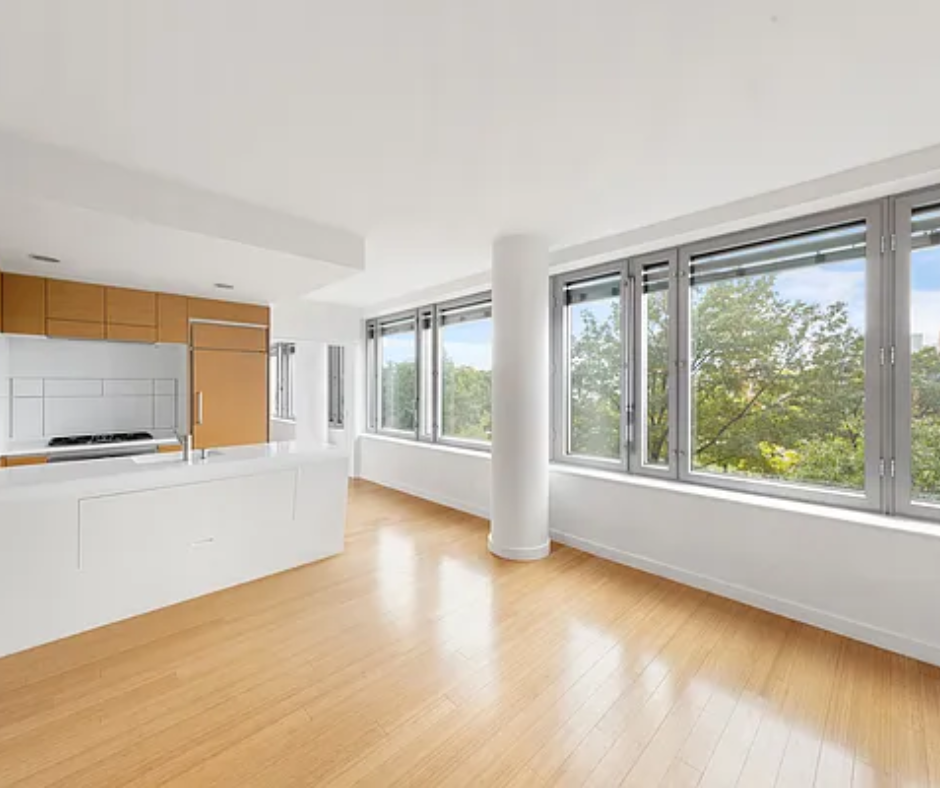
Experience serene, tree-top living with direct Hudson River views in this stunning 2-bedroom, 2.5-bathroom residence at the prestigious Riverhouse.


Enjoy 57 feet of unobstructed Hudson River and park views through expansive windows, flooding the home with natural light. Oversized pocket doors allow for a flexible and open layout, ideal for modern living and entertaining.


The open-concept kitchen is outfitted with Corian countertops, teak cabinetry, and high-end Energy Star appliances, including a Sub-Zero refrigerator, Miele dishwasher, and Thermador range.

Experience elevated living in this gracious loft-like, split two-bedroom home, thoughtfully designed for both comfort and entertaining. With soaring 10-foot ceilings and an expansive great room, this residence exudes an open and airy ambiance.


Wide-plank French Oak hardwood floors add warmth and elegance throughout, while the chef-inspired kitchen is a masterpiece of both form and function. Outfitted with Miele appliances, an externally venting exhaust, and an Insinkerator garbage disposal, this space is designed to impress even the most discerning home chefs. The primary suite offers a spa-like retreat, featuring a large walk-in shower with thermostatic controls and warm stone finishes. LED-lit mirrored medicine cabinets complement the refined Silver Romano Travertine honed floors, adding a touch of understated luxury.


This exceptional residence seamlessly blends modern sophistication with timeless elegance.

Welcome to this impeccably renovated, sun-drenched two-bedroom, two-bathroom home at The Alexandria Condominium, located at 201 West 72nd Street on the northwest corner of Broadway.


This expansive, south-facing residence boasts open city views from every window and has been thoughtfully reimagined with high-end finishes throughout. The chef’s kitchen is outfitted with top-of-the-line appliances, including a Miele refrigerator and dishwasher, Wolf range, Prestige vented hood, custom cabinetry, and sleek Quartz countertops. Both bathrooms are elegantly designed with Waterworks fixtures and luxurious marble finishes. Wide-plank white oak floors lend warmth and sophistication, while the primary suite offers a custom walk-in closet. For added convenience, a washer and dryer are located in-unit.


The Alexandria is a full-service, 25-story condominium offering exceptional amenities, including a 24-hour doorman and concierge, live-in superintendent, health club with sauna, steam room, Jacuzzi, and swimming pool, as well as a landscaped garden, rooftop deck, outdoor lounge, and children’s playroom.

2

New York City Broker Fees: What the New Law Means for Renters and Landlords

The recent changes to New York City’s rental market, sparked by the new law regulating broker fees, are reshaping both landlord practices and renter experiences. As detailed by Realtor.com, the legislation now requires landlords to cover the broker’s fee when they hire an agent to list and lease an apartment, shifting a longstanding burden off renters. Previously, tenants often shouldered this hefty cost, sometimes paying up to 15% of annual rent just to secure an apartment. The article underscores how this law, which came after years of frustration for renters, is meant to create more equitable housing costs.


As one landlord in the story put it, “We’re recalculating our budgets because this changes the entire cost structure of doing business.” While tenants may find initial relief, experts caution that landlords might bake these expenses into higher base rents, indirectly passing the cost back to renters over time.

1

Understanding the FARE Act: NYC’s New Broker Fee Legislation

While housing demand appears to be cooling across the U.S., Manhattan’s second quarter metrics remained relatively firm. Sales rose to their highest level in nearly two years, as listing inventory reached its highest level in nearly five years. Median sales price annually increased for the third straight quarter after four quarters of declines. All-cash deals rose to a record share as a financing contingencies reached the second-highest level in a decade. Co-op sales rose year over year for the second time, while condos saw their third annual increase. New development sales increased annually while their listing inventory declined.

New development median sales price rose annually for the seventh straight month, powered by a rise in the average sales size. Luxury price trend indicators continued to rise year over year as listing inventory for both resales and new development fell sharply. Luxury sales above $5 million increased year over year.

3

What Renters Should Know as NYC’s Broker Fees Ban Kicks In

Meanwhile, City Limits takes a practical angle, outlining what renters should prepare for now that the broker fee ban on landlord-hired brokers is taking effect. The article notes that while renters might soon avoid direct payments to brokers, they should stay alert for landlords quietly raising listed rents to offset these new obligations. As one tenant advocate says, “It’s crucial renters read the fine print and ask explicitly who pays the broker.”


City Limits also suggests that with this change, more rental listings may start appearing directly online without brokers, potentially giving tenants greater direct access to apartments. However, the piece warns that legal challenges could still surface, as real estate groups are scrutinizing the law’s details and preparing possible lawsuits, which could muddy enforcement in the near future.